Yogas
The Methods
Religion should be and is a matter of spiritual experience. Your religion must become a heartfelt realization that your true nature is spiritual, that you are one with the universal spirit. Vedanta stresses the idea of self-effort. It encourages everyone to realize the God within by certain methods, called yogas, which channel the tendencies we already possess. The ideal is to practice a harmonious balance of the four yogas:

 is for the person with an emotional nature, the lover. It teaches a devotional relationship with God, since God is love itself.
 is the approach to spiritual enlightenment through discrimination and reason. This makes strong use of the powers of the mind. It is the path of the philosopher who wants to go beyond the visible universe.
 is for the worker. It teaches us how to work in a spirit that will bring peace of mind, and yet harness the natural desire to be productive.
 is sometimes called the yoga of meditation. It is the soul of all the yogas. The emphasis here is on controlling the mind through concentration and meditation. Raja yoga is also called the psychological way to union with God.
None of the yogas asks you to give up your reason and put it in the hands of a religious leader.
-
 Raja Yoga
$8.95
Raja Yoga
$8.95 -
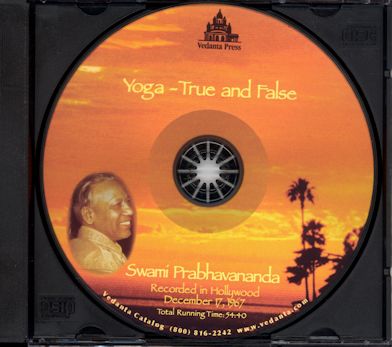 Yoga: True and False CD
$9.95
Yoga: True and False CD
$9.95 -
 The Yoga Sutras of Patanjali
$19.95
The Yoga Sutras of Patanjali
$19.95 -
 The Concise Yoga Vasistha
$37.95
The Concise Yoga Vasistha
$37.95 -
 Yoga in Day-to-Day Life
$9.95
Yoga in Day-to-Day Life
$9.95 -
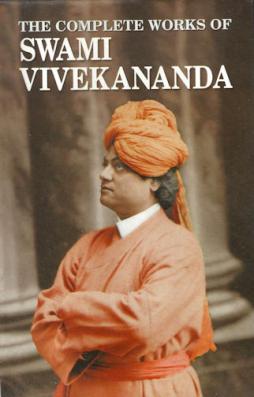 Complete Works of Swami Vivekananda (hardback edition)
$144.95
Complete Works of Swami Vivekananda (hardback edition)
$144.95 -
 Studies on the Tantras
$10.95
Studies on the Tantras
$10.95 -
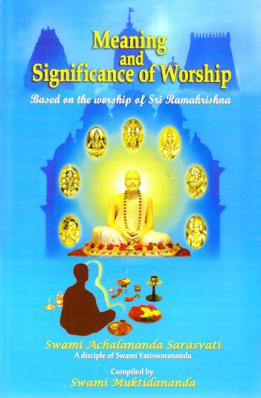 Meaning and Significance of Worship - Based on the Worship of Sri Ramakrishna
$15.95
Meaning and Significance of Worship - Based on the Worship of Sri Ramakrishna
$15.95 -
 Karma and Rebirth in Hinduism
$23.00
Karma and Rebirth in Hinduism
$23.00 -
 Intelligent Way to Yoga
$2.00
Intelligent Way to Yoga
$2.00 -
 Yoga: Its Theory and Practice
$9.95
Yoga: Its Theory and Practice
$9.95 -
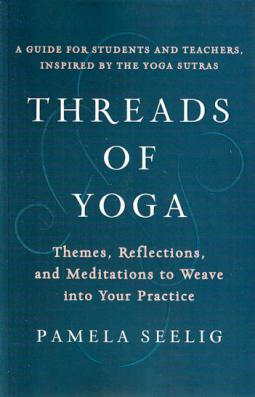 Threads of Yoga: Themes, Reflections, and Meditations to Weave into Your Practice
$17.95
Threads of Yoga: Themes, Reflections, and Meditations to Weave into Your Practice
$17.95 -
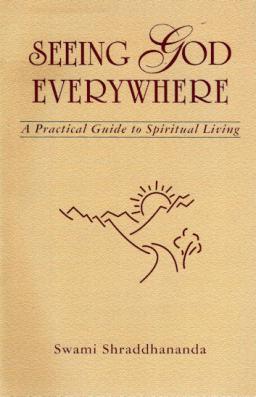 Seeing God Everywhere: A Practical Guide to Spiritual Living
$14.95
Seeing God Everywhere: A Practical Guide to Spiritual Living
$14.95 -
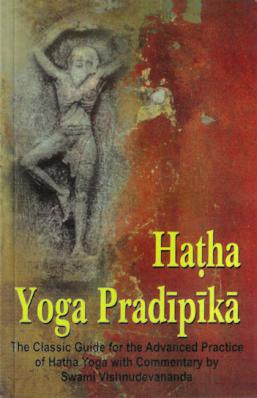 Hatha Yoga Pradipika
$12.95
Hatha Yoga Pradipika
$12.95 -
 Writings of Swami Atulananda
$19.95
Writings of Swami Atulananda
$19.95 -
 DAILY DIVINE DIGEST
$6.95
DAILY DIVINE DIGEST
$6.95 -
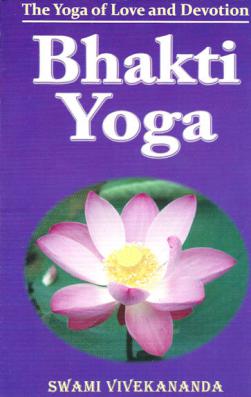 Bhakti Yoga: The Yoga of Love and Devotion
$4.00
Bhakti Yoga: The Yoga of Love and Devotion
$4.00 -
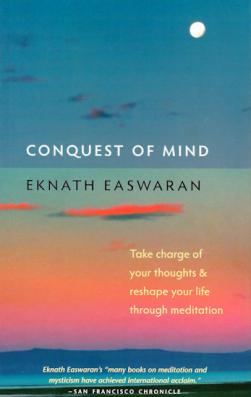 Conquest of Mind
$14.95
Conquest of Mind
$14.95 -
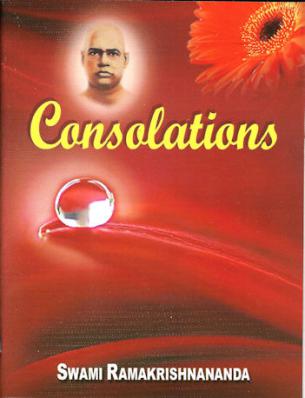 Consolations
$1.00
Consolations
$1.00 -
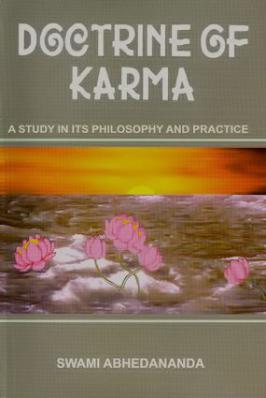 The Doctrine of Karma
$7.95
The Doctrine of Karma
$7.95 -
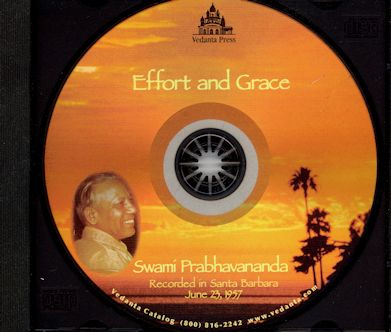 Effort and Grace CD
$9.95
Effort and Grace CD
$9.95 -
 Faith is Power
$4.95
Faith is Power
$4.95 -
 Householder and Monastic Life audio CD
$9.95
Householder and Monastic Life audio CD
$9.95 -
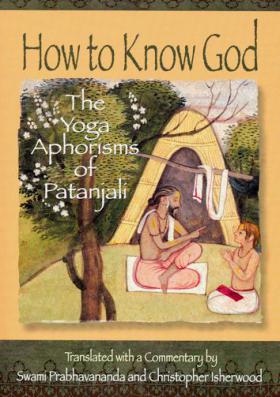 How to Know God: The Yoga Aphorisms of Patanjali
$10.95
How to Know God: The Yoga Aphorisms of Patanjali
$10.95 -
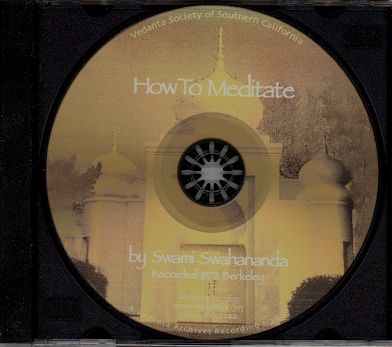 How To Meditate - CD
$9.95
How To Meditate - CD
$9.95 -
 Jnana Yoga: The Yoga of Knowledge
$10.95
Jnana Yoga: The Yoga of Knowledge
$10.95 -
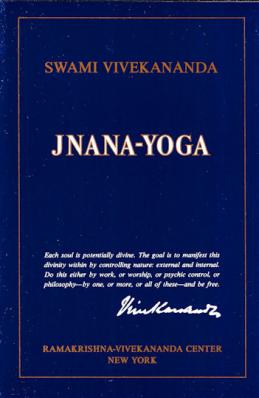 Jnana Yoga - American edition
$15.00
Jnana Yoga - American edition
$15.00 -
 Karma and Reincarnation VCD
$14.95
Karma and Reincarnation VCD
$14.95 -
 Karma Yoga: The Yoga of Action
$4.95
Karma Yoga: The Yoga of Action
$4.95 -
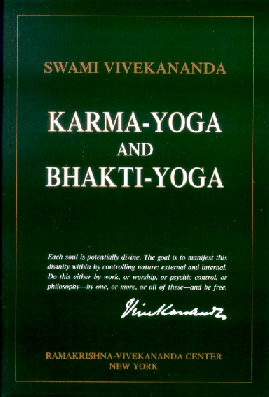 Karma Yoga and Bhakti Yoga
$15.00
Karma Yoga and Bhakti Yoga
$15.00 -
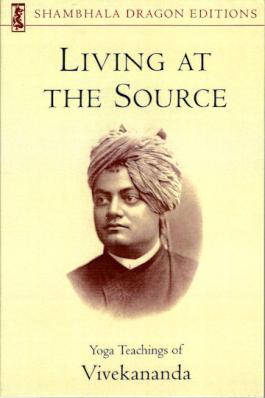 Living at the Source
$20.00
Living at the Source
$20.00 -
 Man and His Mind
$14.95
Man and His Mind
$14.95 -
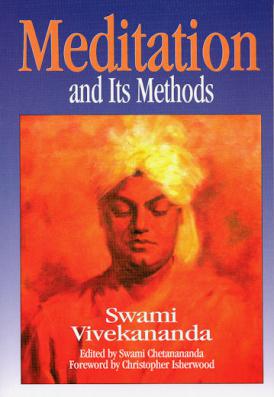 Meditation and Its Methods
$11.95
Meditation and Its Methods
$11.95 -
 Meditation and Spiritual Life
$29.95
Meditation and Spiritual Life
$29.95 -
 Meditation: Its Process, Practice and Culmination
$10.00
Meditation: Its Process, Practice and Culmination
$10.00 -
 Narada Bhakti Sutras (Bhuteshananda)
$13.95
Narada Bhakti Sutras (Bhuteshananda)
$13.95 -
 Narada Bhakti Sutras (Tyagishananda): Aphorisms of the Gospel of Divine Love
$7.95
Narada Bhakti Sutras (Tyagishananda): Aphorisms of the Gospel of Divine Love
$7.95 -
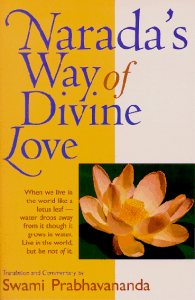 Narada's Way of Divine Love: The Bhakti Sutras
$10.95
Narada's Way of Divine Love: The Bhakti Sutras
$10.95 -
On Love and Loneliness
$13.00
-
 Path of Devotion
$5.95
Path of Devotion
$5.95 -
 Reincarnation
$6.95
Reincarnation
$6.95 -
 Reincarnation and Immortality
$5.95
Reincarnation and Immortality
$5.95 -
 Religion of Love
$4.95
Religion of Love
$4.95 -
 Service: Ideal and Aspects
$5.95
Service: Ideal and Aspects
$5.95 -
Shambhala Encyclopedia of Yoga
$24.95
-
 Silence as Yoga
$3.95
Silence as Yoga
$3.95 -
 Sixteen Facets of Self-Realization
$3.95
Sixteen Facets of Self-Realization
$3.95 -
 Spirit Incorporated: How to Follow Your Spiritual Path from 9 to 5
$12.95
Spirit Incorporated: How to Follow Your Spiritual Path from 9 to 5
$12.95 -
 Spiritual Practice: Its Conditions and Preliminaries
$4.95
Spiritual Practice: Its Conditions and Preliminaries
$4.95 -
 Four Yogas: A Guide to the Spiritual Paths
$24.99
Four Yogas: A Guide to the Spiritual Paths
$24.99 -
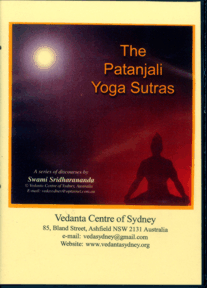 Patanjali Yoga Sutras- A Summary Chapter I
$24.95 $19.95
Patanjali Yoga Sutras- A Summary Chapter I
$24.95 $19.95 -
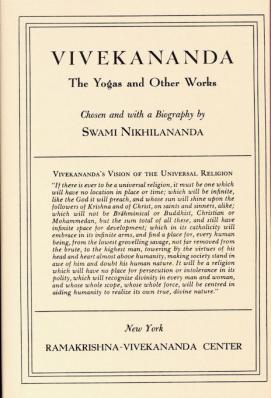 Vivekananda: The Yogas and Other Works
$44.95
Vivekananda: The Yogas and Other Works
$44.95 -
 Will Power and Its Development
$1.00
Will Power and Its Development
$1.00 -
 Yoga for Beginners
$5.95
Yoga for Beginners
$5.95 -
 Yoga Philosophy of Patanjali
$39.95
Yoga Philosophy of Patanjali
$39.95 -
 Yoga: Its Various Aspects: (A Symposium of Various Paths on Yoga)
$4.95
Yoga: Its Various Aspects: (A Symposium of Various Paths on Yoga)
$4.95 -
 Mental Health and Hindu Psychology
$15.95
Mental Health and Hindu Psychology
$15.95 -
 Yoga Psychology
$14.95
Yoga Psychology
$14.95 -
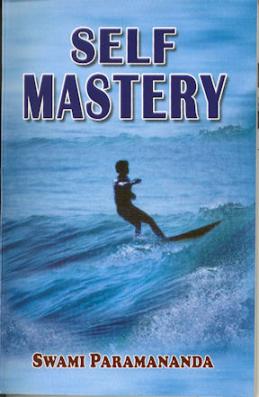 Self Mastery
$4.00
Self Mastery
$4.00 -
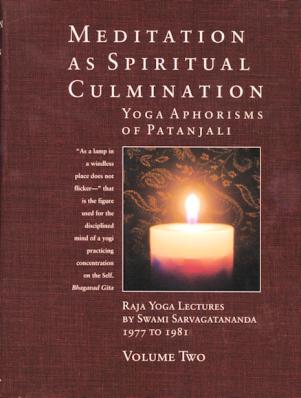 Meditation As Spiritual Culmination (2-volume set)
$89.95
Meditation As Spiritual Culmination (2-volume set)
$89.95 -
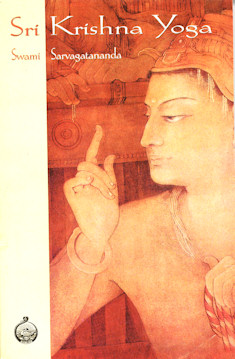 Sri Krishna Yoga
$5.95
Sri Krishna Yoga
$5.95 -
 Work and Its Secret
$1.50
Work and Its Secret
$1.50 -
 Stop Not Till The Goal Is Reached
$34.95 $19.95
Stop Not Till The Goal Is Reached
$34.95 $19.95 -
 Essentials of Spiritual Life
$4.95
Essentials of Spiritual Life
$4.95 -
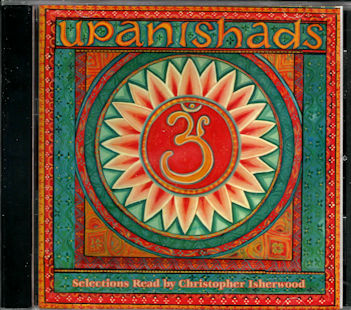 Upanishads - CD Selections Read by Christopher Isherwood
$11.95
Upanishads - CD Selections Read by Christopher Isherwood
$11.95 -
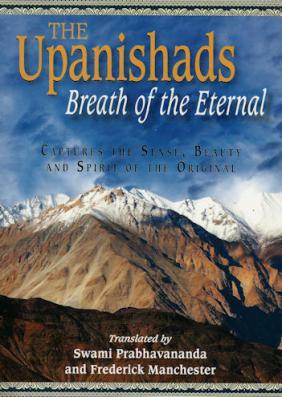 Upanishads: Breath of the Eternal
$12.95
Upanishads: Breath of the Eternal
$12.95 -
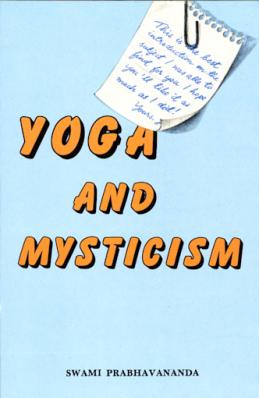 Yoga and Mysticism
$4.95
Yoga and Mysticism
$4.95